How to Stop Doomscrolling: A 14-Day Reset Plan
Why doomscrolling is so hard to stop, and a 14-day plan to break the habit: notifications, app friction, a phone-free bedroom and a healthier news diet.

Why short-form video is so hard to put down, and a practical plan to quit or cut back: remove the cues, close the loopholes and replace the habit.

“Just one more” is the whole design of short-form video. Each clip lasts seconds, the next one starts automatically, and the feed learns exactly what keeps you watching. If you’ve ever looked up to find an hour gone, that’s not weak willpower. It’s the product working as intended.
Research on short-form video is still young. Surveys link heavy use with poorer sleep and more trouble concentrating, but it’s not yet clear how much is cause and effect. What’s clear is that many people want to watch less and find it hard.
Quitting completely is often easier than moderating, because every open app is a new decision. If you rely on an app for friends or work, a firm daily cap can work instead. Either way, pick a start date and tell someone.
Delete it from your phone, and log out in your browser too. Deleting the app doesn’t delete your account, so there’s nothing to lose by trying.
Short-form feeds hide inside other apps, and the habit will find them.
| Loophole | Fix |
|---|---|
| Reels inside a social app you still need | Use it on a laptop or in a browser, where feeds are clunkier |
| Shorts inside a video app | Watch on a computer; turning off watch history limits recommendations |
| The browser version | Block the site with a blocker or a Screen Time limit |
| Friends sending clips | Watch the one you were sent, then close the app |
Our guide to app blockers covers tools that block specific apps and sites.
Turn off notifications from video apps, move social apps off your home screen and try grayscale mode, which makes vivid video noticeably less appealing.
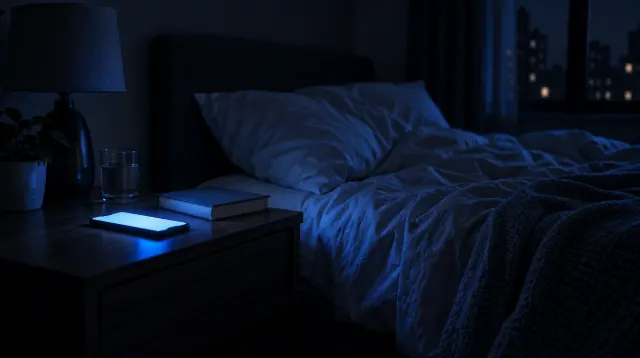
Most people scroll at predictable times: in bed, on the toilet, on the sofa after work, while waiting. For each one, decide in advance what you’ll do instead: read a few pages, listen to a podcast, text a friend or simply sit with being bored for a minute.
Replace endless clips with things that have an ending: a film, a documentary, a series episode, a long podcast or a book. You still get entertainment, but you choose it, and it stops.
The first few days are the hardest: your hand will reach for the app out of habit. By the second week, many people notice longer attention spans for books and films, and evenings that feel longer. For a broader reset, try our 30-day social media detox or the 14-day doomscrolling plan.
Not completely inside the apps themselves. Using the services on a computer or in a browser, turning off watch history and using blockers all reduce how often short videos appear.
Heavy use is associated with concentration difficulties in some studies, but research is still developing. If you notice it’s harder to read or watch longer things, that’s a good reason to cut back.
Many people feel the pull fade within one to two weeks without the app. Stronger habits can take longer, so plan for setbacks.
Every article is edited by a human and checked against our editorial policy. Spotted a mistake? Tell us.
Why doomscrolling is so hard to stop, and a 14-day plan to break the habit: notifications, app friction, a phone-free bedroom and a healthier news diet.
A realistic 30-day social media detox: what to prepare, a week-by-week plan, how to handle cravings and FOMO, and how to rebuild a healthier routine after.
Why a phone-free bedroom helps sleep and focus, what to use instead for alarms and emergencies, and a simple one-week plan to make the change stick.