Dopamine Detox: What the Science Actually Says
Does a dopamine detox work? What dopamine really does, why the popular version is a myth, and the evidence-based habits that deliver what a detox promises.

What research says about screens and sleep: blue light versus stimulating content, why bedtime scrolling delays sleep, and changes that make a difference.
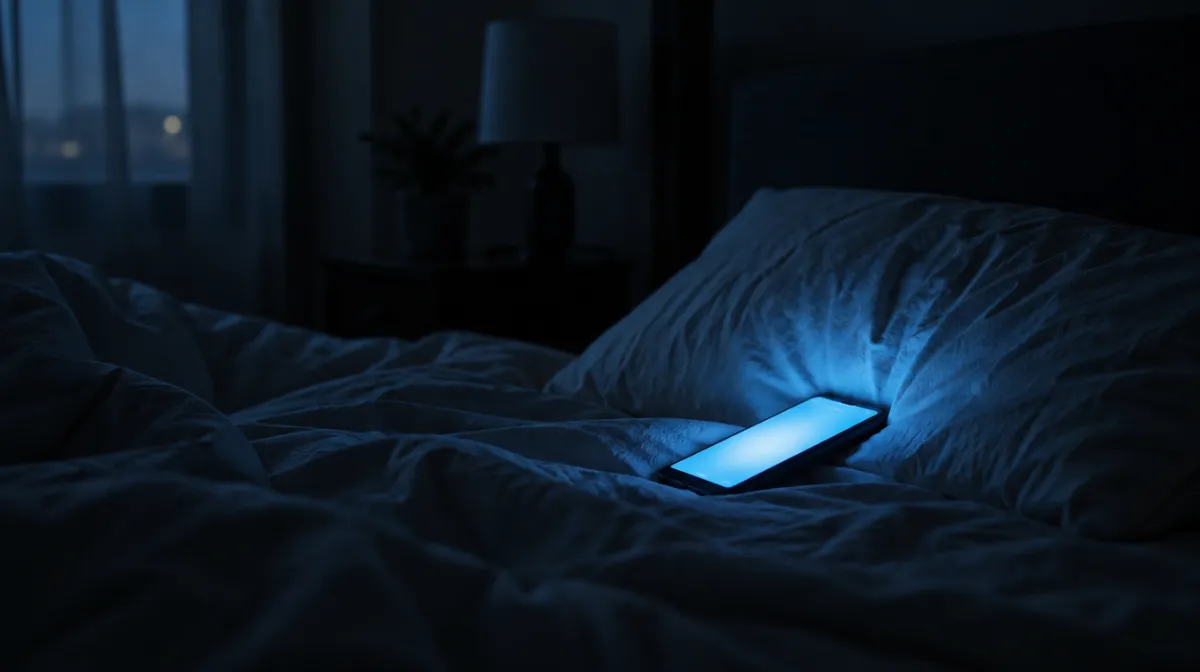
Everyone has heard that phones ruin sleep, usually with blue light as the villain. The research tells a more useful story: light plays a part, but what you do on your screen, and when, matters more.
| Mechanism | What happens | What helps |
|---|---|---|
| Lost time | Scrolling pushes bedtime later | A set phone bedtime |
| A stimulated brain | Messages, news and games keep you alert | Calm activities in the last hour |
| Evening light | Bright light can delay your body clock | Dim screens, lower lights |
| Interruptions | Notifications wake you or pull you back in | Phone outside the bedroom |
The simplest effect is displacement. An extra half-hour of scrolling is often an extra half-hour awake, and infinite feeds and autoplay make that easy. Surveys of teenagers consistently link heavy night-time device use with later bedtimes and shorter sleep.
An argument in the comments, a worrying headline or one more level of a game raises alertness when your body should be winding down. Passive activities, such as reading a paper book or listening to calm audio, are less stimulating than interactive ones.
Bright light in the evening can suppress melatonin and shift your body clock later. In a well-known 2015 laboratory study, people who read on a light-emitting e-reader before bed took longer to fall asleep and felt less alert the next morning than when they read a printed book.
But phones are usually held at modest brightness, and night modes seem to do little on their own: a 2021 study found that night-shift settings alone made no measurable difference to sleep. Dimming the screen helps, but it doesn’t make late-night scrolling harmless.
Phones on the bedside table buzz, light up and invite a check whenever you wake. Even silent phones tempt you at 3am. That’s why a phone-free bedroom is so effective.
According to the CDC, most adults need at least seven hours a night, and teenagers need eight to ten. If screens are cutting into that, the fixes above usually help within a couple of weeks.
If late-night scrolling is the main problem, start with our 14-day doomscrolling reset.
The evidence is weak. Reducing evening screen use and dimming lights are more reliable than special glasses.
Usually, yes: phones are brighter and far more distracting, with notifications and apps a tap away.
Teenagers’ body clocks naturally shift later, and they often use phones late at night, so the effects can add up. Family rules, like phones charging outside bedrooms, help.
Every article is edited by a human and checked against our editorial policy. Spotted a mistake? Tell us.
Does a dopamine detox work? What dopamine really does, why the popular version is a myth, and the evidence-based habits that deliver what a detox promises.
Practical ways to stop checking your phone at work: why the urge happens, Focus modes, notification summaries, physical distance and a check-in schedule.
A beginner’s guide to digital minimalism: what it means, how a 30-day declutter works, which tech to keep, and rules for a calmer, more intentional phone.