How to Stop Doomscrolling: A 14-Day Reset Plan
Why doomscrolling is so hard to stop, and a 14-day plan to break the habit: notifications, app friction, a phone-free bedroom and a healthier news diet.

What FOMO is, why social media makes the fear of missing out worse, how it affects mood and sleep, and practical ways to feel less left out online.
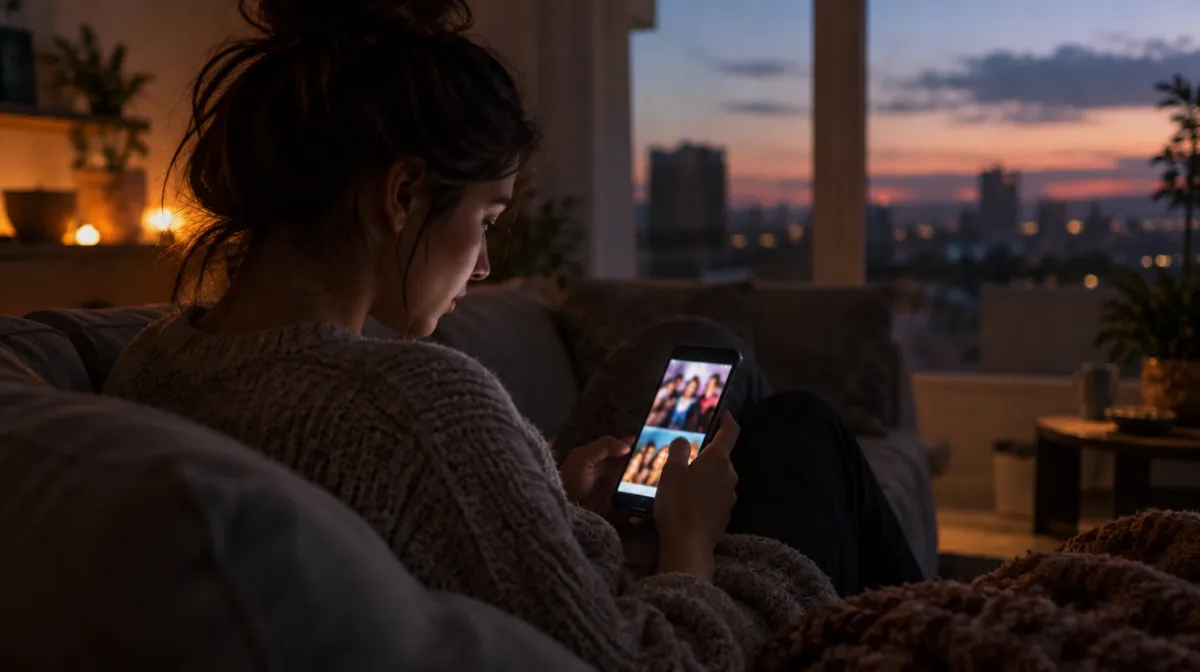
FOMO, the fear of missing out, is that uneasy feeling that other people are having more fun, success or connection than you, and that you’re being left behind. It’s an old feeling with a new amplifier: social media shows you a constant stream of other people’s best moments, from holidays to parties to promotions. Easing FOMO means changing what you see, how often you look and what you do with your own time.
Psychologists have long described our tendency to judge ourselves by comparison with others. Researchers studying FOMO have linked it with more frequent social media checking, and some studies suggest people who feel their own needs for connection and competence aren’t being met are more prone to it. As with much social media research, the links run both ways and don’t prove cause.
Many people find that a handful of accounts and the late-evening scroll cause most of the trouble, and both are easy to change.
JOMO, the joy of missing out, flips the idea: choosing to skip things and enjoying the calm. It might be a quiet night in, a phone-free weekend or simply not knowing what everyone else is up to. Our digital sabbath guide and digital minimalism for beginners are good places to start.
| FOMO thought | A fairer thought |
|---|---|
| “Everyone else is out having fun.” | “I’m seeing a few people’s best moments, not everyone’s whole evening.” |
| “I should have been invited.” | “It might not have been about me. I can make my own plans.” |
| “My life is boring compared with theirs.” | “Their feed is edited. My ordinary days are normal.” |
| “I need to check in case I miss something.” | “If it matters, someone will tell me.” |
If feelings of being left out are constant, or come with low mood, anxiety or loneliness that doesn’t lift, talk to someone you trust or your GP or doctor. The NHS Every Mind Matters site has practical tools for low mood and anxiety. For teenagers, see our guide to teens and social media warning signs.
Fear of missing out: the worry that others are having rewarding experiences that you’re not part of.
It doesn’t create the feeling, but it amplifies it by showing a constant, curated stream of other people’s highlights.
Curate your feed, limit how often you check, make plans of your own and practise enjoying moments without posting or checking.

Every article is edited by a human and checked against our editorial policy. Spotted a mistake? Tell us.
Why doomscrolling is so hard to stop, and a 14-day plan to break the habit: notifications, app friction, a phone-free bedroom and a healthier news diet.
A realistic 30-day social media detox: what to prepare, a week-by-week plan, how to handle cravings and FOMO, and how to rebuild a healthier routine after.
Why a phone-free bedroom helps sleep and focus, what to use instead for alarms and emergencies, and a simple one-week plan to make the change stick.